Get in Touch with SINOFUDE Company
Contact Form 使用中

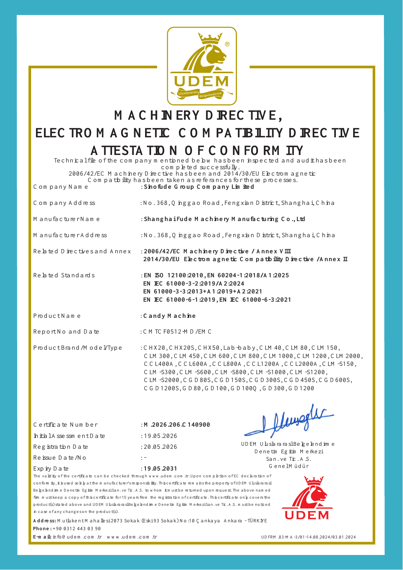
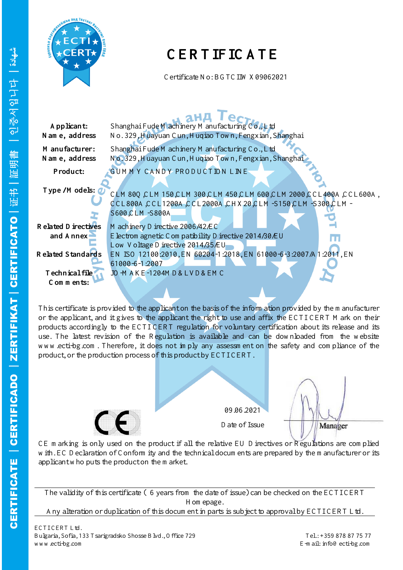
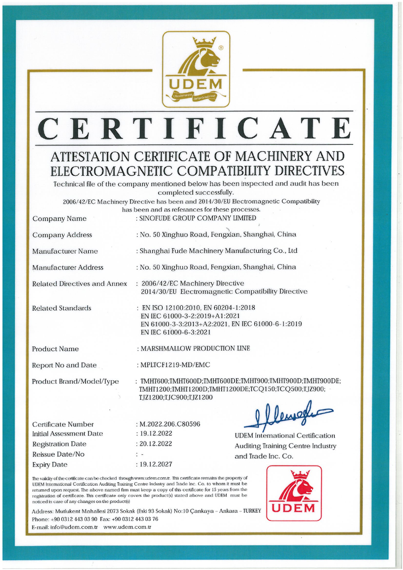
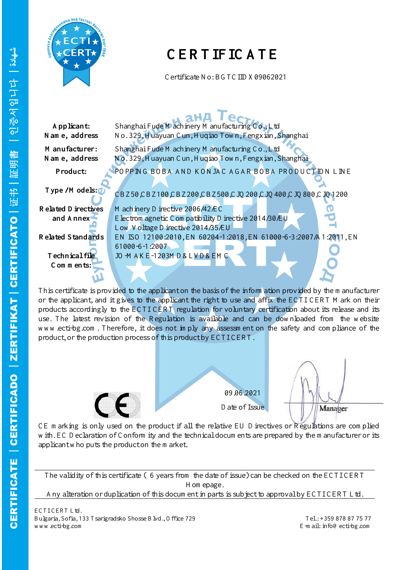
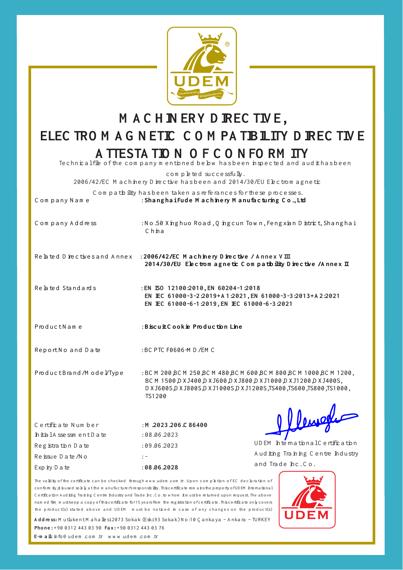
ISO Certified

Depositors & Core Machines

Candy Depositor Machine and Core Equipment for Defined Product Routes

The design of a candy depositing machine should be based on the product recipe, moulds, and the complete line. Those buyer inputs create a reviewable scope for gummy candies, hard and lollipop candies, caramels, toffees and chocolates.

Request a Scope Review By the SINOFUDE Engineering Team · Fengxian District, Shanghai, China
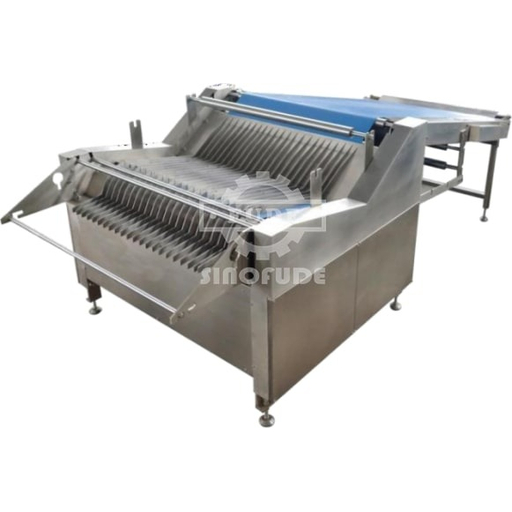
Core Machines Back View
Candy Depositor Machine Front View

Production planning

A depositor or integrated line is scheduled for pre-shipment acceptance in up to 90 days, counted after the deposit and technical scope are confirmed.

Minimum order

One machine or one configured line. The final order unit follows the confirmed quotation.

Payment structure

Payment follows a 30 percent deposit, with the remaining 70 percent due after pre-shipment inspection and before shipment.

Trade-term comparison

Comparable Chinese machinery suppliers publish FOB or CIF as common comparison terms; the project term must be confirmed in the SINOFUDE quotation.

Related Candy Machinery for the Downstream Boundary

A depositor does not automatically include wrapping, packaging or a CIP cleaning system, and these product cards can be used to define downstream or sanitation interfaces.

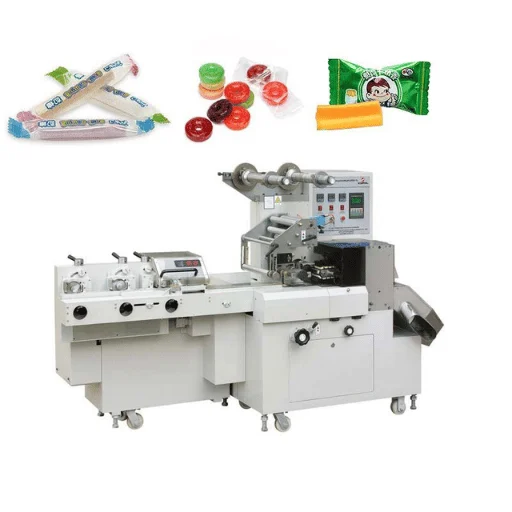
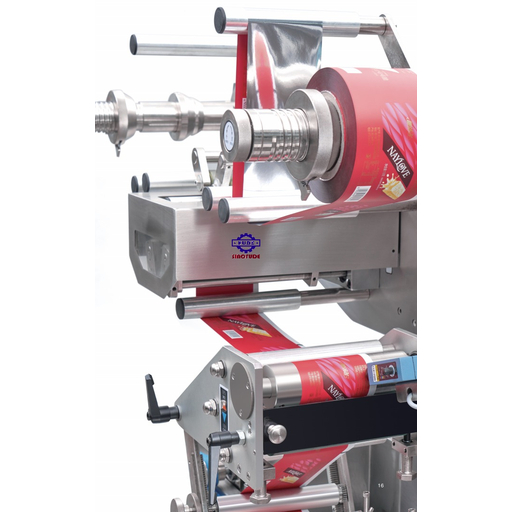
Candy Wrapping Machine

Candy Wrapping Machine

Review individual-piece wrapping after the product has cooled, released and reached the agreed feed condition.

View the candy wrapping machine →
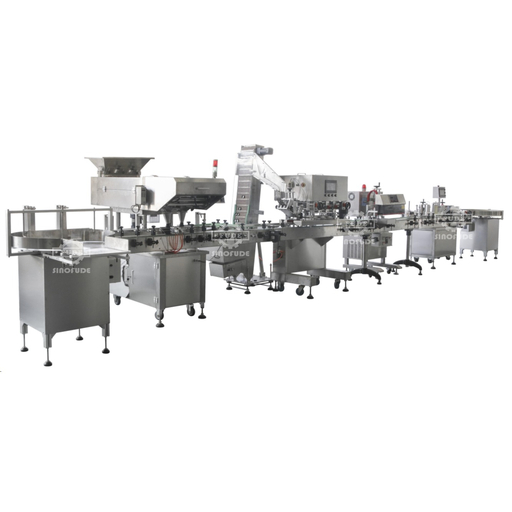
Candy Packaging Machine

Candy Packaging Machine

Define counting, weighing, flow-wrap or other packaging needs as a separate scope and handoff.

View the candy packaging machine →
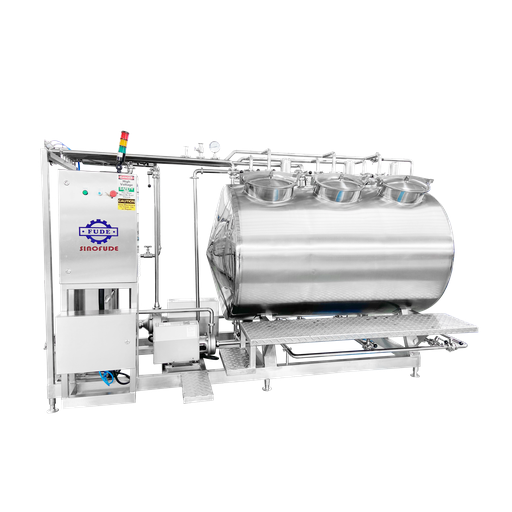
CIP Cleaning System

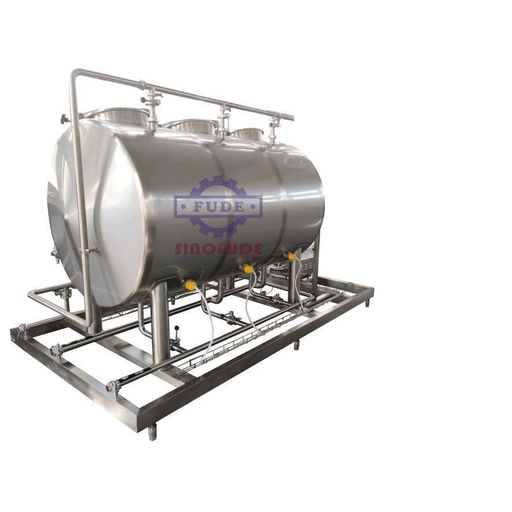
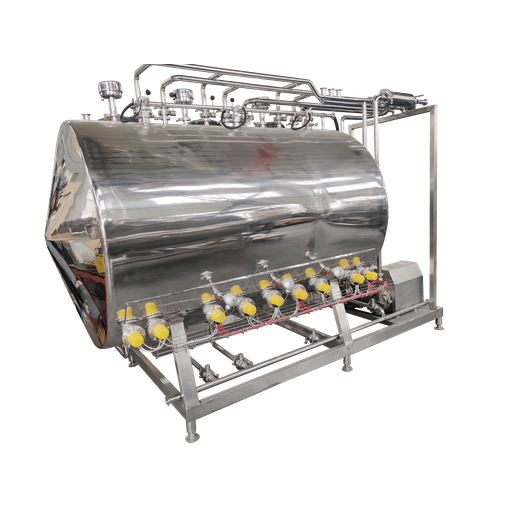
CIP Cleaning System

Review clean-in-place circuits only where the product-contact design, cleaning chemistry and plant procedure support that boundary.

View the CIP cleaning system →

Candy Depositing Routes Defined by the Product

Users often confuse a universal label with verified compatibility and assume that the depositor configuration is complete. Even a buyer-reported 3 mm inclusion changes the passage review and can create a wrong-configuration risk. The trade-off here is flexibility versus a tested product path, so SINOFUDE starts with the candy mixture, working heat condition, target fill, mould or mold, cavity map and release behavior.

Gummy and jelly

Gummy and jelly

Pectin or gelatin route review

Gummy production starts with the actual base system, solids, working temperature and batch window. The review covers the hopper, piston or other metering route, depositing nozzles, mold material and demolding behavior before treating a gummy bear or another shape as compatible.

  • Recipe family and observed flow window
  • Target deposit and consistent volume criteria
  • Silicone molds, other candy molds or rigid mould handling
  • Cleaning access after pectin or gelatin mixtures
Hard candy and lollipop

Hard candy and lollipop

Heated syrup route review

Hard candy reaches the cavity through a controlled heated path before cooling. Product temperature, hopper condition, deposit cut-off, mould indexing and the handoff to cooling matter more than a catalogue depositing speed used alone as the selection basis.

  • Cooked mass condition at the depositor inlet
  • Nozzle layout against cavity pitch
  • Plain, layered or centre-filled product intent
  • Cooling and release boundary
Caramel, chocolate and other products

Caramel, chocolate and other products

Separate feasibility route

Caramel, toffee, chocolate and inclusion products can require a different feed, temperature or clean-out approach. The route stays open until the material, inclusion and product quality criteria have been tested against a proposed configuration.

  • Viscosity and density behavior
  • Largest particle and concentration
  • Shot size or target piece weight
  • Changeover and residue inspection

The largest or fastest candy machine is not always the best fit.

A high output claim can be irrelevant when the mould pitch, product flow, cooling time or downstream conveyor becomes the binding constraint. Product routes are not interchangeable, so WO2016164470A1 is used only as shell/core route context while product and interface evidence determine the depositing or alternate forming machine route before the scope is frozen.

Depositor-Only and Integrated Production Scope

A candy depositor is but one controlled station in a complete candy production line. Contrary to a generic complete-line label, we separate cooking, product transfer, candy depositing, molding, cooling, demolding, packaging, and CIP or manual cleaning, to give the buyer visibility into the same starting and ending points and define the interfaces with other equipment, so buyers can compare line boundaries across quotes; depositor-only and integrated-line offers are not interchangeable, and 29 CFR 1910.212 makes guarding a named US design-review input.

Depositor-Only and Integrated Production Scope
Line module Depositor-only scope Configured-line scope Buyer input
Cooking and preparation Existing equipment supplies product at the agreed inlet condition. The upstream handoff can be reviewed with the selected confectionery making machine route. Recipe family, discharge condition and connection point.
Transfer and hopper Buyer confirms the transfer method and stable feed to the machine. Transfer can be listed as included or interface-only. Distance, height, temperature continuity and cleaning method.
Depositing The quoted module covers the defined metering and nozzle task. The depositing line sequence is coordinated with mould flow and cooling. Product, mould, target fill and acceptance criteria.
Mould movement Existing mold handling supplies repeatable position and indexing. Mould feed, positioning and return can be listed in the line boundary. Drawing, material, pitch, cavity count and direction of travel.
Cooling and demolding Existing equipment accepts the deposit and returns a releasable piece. Cooling and demoulding interfaces can be coordinated with the configured line. Available conditions, product release standard and space.
Packaging handoff Ends at the agreed discharge point. Packaging remains a named downstream interface unless separately quoted. Orientation, accumulation and transfer height.
Cleaning Cleaning boundary stops at the module interface. CIP or manual-cleaning responsibility is listed by circuit and component. Product-contact scope, allergen program and validation owner.

“The equipment name is not the scope. We compare quotations by the modules, interfaces, acceptance records and exclusions that sit behind the name.”

SINOFUDE Engineering Team

The Inputs Behind a Reviewable Configuration

Price and machine scope follow the product route, required automation, production requirements and evidence package. The same eight-field project data sheet applies to a semi-automatic concept, a fully automatic depositing line or a broader candy making machine review. The response identifies the assumptions which are still to be proven through a sample test. A wrong quote creates a mismatch risk. An open mould or recipe can change the equipment needed.
Field Buyer-provided numeric or documentary input Engineering output
01 · Product and SKU Drawing, photograph, nominal piece weight and format list. Candidate depositing or alternate forming route.
02 · Recipe condition Working temperature, viscosity or flow observations and batch revision. Feed and metering review basis.
03 · Inclusions Largest particle dimension, concentration and distribution requirement. Passage, bridging and uniformity checks.
04 · Mould interface Overall drawing, cavity count, pitch, material and indexing direction. Nozzle layout and mould-handling interface.
05 · Deposit result Target weight or volume and buyer-approved range. Volume control and depositing accuracy acceptance method.
06 · Production need Batch size, shifts, SKU mix, target output and changeover pattern. Operating envelope and scalability review.
07 · Site and utilities Voltage, frequency, compressed air, room condition, footprint and access. Utility schedule, layout and installation open-item list.
08 · Release evidence Sample, test duration, observations, documents and witness plan. Feasibility, FAT and site-acceptance record.
The Inputs Behind a Reviewable Configuration

The Recipe-to-Depositability Evidence Board

The Evidence Board correlates a product input to an observable test result. Its purpose is to prevent a supplier statement such as “compatible with gummies” from being substituted for the buyer’s actual pectin or gelatin recipe, mold and accepted product result.

The Recipe-to-Depositability Evidence Board
Input Mechanism to review Observable output Buyer-owned criterion
Recipe and heat condition Flow through transfer, hopper, metering and nozzle path. Stable feed, clean cut-off and repeatable cavity fill. Approved product condition during the declared run window.
Particle or inclusion Passage, suspension and distribution through the narrowest path. No bridging, blockage or unacceptable distribution shift. Largest particle and permitted distribution pattern.
Mould and cavity map Nozzle position, indexing, silicone molds or rigid mould handling. Aligned deposit without unacceptable spill or missed cavities. Approved drawing, cavity count and visible fill standard.
Target weight or volume Metering stability over the planned batch. Measured piece results across selected cavities and time points. Buyer-approved range and sampling plan.
Cooling and release Set, handling and demolding after the deposit. Released pieces with the agreed surface and handling condition. Product-specific release and appearance standard.
Changeover and cleaning Access, removal path, residue and allergen-control steps. Documented cleaning observation and open-item list. Plant procedure, verification owner and release record.

What the board can decide

  • Which configuration deserves a feasibility test
  • Which interfaces belong in the quotation
  • Which observable checks belong in pre-shipment acceptance
  • Which inputs are still open before manufacture begins

What the board does not assume

  • A universal recipe range for every candy depositor
  • A guaranteed output without product and line conditions
  • A model certification inferred from company credentials
  • An allergen-safe changeover inferred from ease of cleaning

Published hard-candy depositing processes show product being metered from a heated hopper into mold cavities, where it is then cooled. CA2575715C and WO2016164470A1 show the need for a separate flow for each component of a multi-component shell/core configuration, but do not demonstrate the feasibility of a SINOFUDE configuration to run a buyer’s product. A company badge is not an equivalent substitute for this product-specific evidence.

Validation Before Equipment Release

A running video is not a substitute for a release record. We separate recipe feasibility from factory/site acceptance testing, because the sample, the environment, the responsibility owner and the evidence differ at each of the stages.

Feasibility trial

Use the intended material and a representative mould to test flow, fill, particle passage, cut-off, cooling response and release. Record what was tested and which settings remain open.

Factory acceptance test

Use the approved configuration and written line boundary. Record product observations, interfaces, 29 CFR 1910.212 guarding checks, documents, open items and the party responsible for closure.

Site acceptance

Confirm installation, utilities, upstream and downstream handoffs, site procedures and operator tasks in the production environment. Close the criteria that were not proven before shipping.

Product and process observations

  • Piece weight or volume against the buyer’s range
  • Cavity-to-cavity uniformity and visible fill pattern
  • Tails, drips, bubbles, leakage or missed cavities
  • Particle distribution, nozzle blockage and temperature continuity
  • Cooling, mold release and downstream handling

Maintenance and changeover observations

  • Valve, seal and O-ring condition
  • Access to product-contact parts and retained product
  • Removal tools, cleaning sequence and reassembly check
  • Critical spare and wear-part scope
  • Allergen-control steps owned by the buyer’s food-safety plan

Pumps, temperature probes and nozzles can be early inspection points for scale-up. Even when a metering concept is correct, troubleshooting can be dominated by valve stoppers and O-rings. Hot gelatin can cool in hoses before it reaches the mould.

× Enlarged view

US Installation Evidence Path

Electrical acceptance, guarding, hazardous-energy control, routine cleaning and allergen cross-contact answer different questions. We place each requirement with its project owner and confirmation stage instead of treating one badge as proof of the entire installation.

Electrical route

OSHA’s NRTL FAQ states that many workplace electrical products require approval by a Nationally Recognized Testing Laboratory and that CE is unrelated to US product-safety requirements. Confirm the intended NRTL, field-evaluation or authority-having-jurisdiction route before the controls package is frozen.

Guarding and energy control

29 CFR 1910.212 addresses point-of-operation, nip-point and rotating-part hazards. 29 CFR 1910.147 addresses servicing where unexpected energization or stored energy can injure workers.

Cleaning and allergen control

21 CFR 117.35 addresses cleaning needed to protect against contamination and allergen cross-contact. The common assumption that easy cleaning proves allergen control is wrong because FDA guidance also points to scheduling, layout and other controls.

Evidence item Owner Confirmation stage
Electrical listing, evaluation path and plant supply Supplier, buyer electrical lead and local authority as applicable Before control-panel and site package freeze
Guards, interlocks and operator access Supplier and buyer safety team Design review and FAT
Hazardous-energy points and site procedure Supplier documentation plus buyer LOTO program FAT and site acceptance
Food-contact cleaning method Supplier design input plus buyer sanitation owner Design review, FAT observation and site procedure
Allergen cross-contact controls Buyer food-safety plan with equipment inputs Process validation and site release

Quoting, Commercial Terms and Delivery Checkpoints

Milestones for supplier response, engineering quotation, scope freeze, manufacture, pre-shipment inspection and freight are different from each other. We connect the required schedule to a confirmed technical package, and an open design or interface decision will not disappear in a lead-time statement.

Scope Freeze

Technical Package

We record the product route, mould, modules, interfaces, utilities, acceptance plan and exclusions in the quotation package before manufacture starts.

Production Planning

Build and Pre-Shipment Acceptance

A depositor or integrated line is scheduled for pre-shipment acceptance in up to 90 days, counted after the deposit and technical scope are confirmed.

Release

Inspection and Shipment

Payment follows a 30 percent deposit, with the remaining 70 percent due after pre-shipment inspection and before shipment.

Comparable Order and Trade Terms

One machine or one configured line is the commercial unit used for comparison. FOB or CIF are common comparison terms among Chinese machinery suppliers, while the actual SINOFUDE order scope, delivery term, freight responsibility and document package are fixed in the project quotation.

A fixed price list would hide the variables that matter: product route, mould handling, automation, stainless product-contact scope, cooling, cleaning, documentation, installation and after-sales boundary. We price the reviewed configuration rather than presenting a wholesale marketplace number as a project quote.

Request a Written Scope and Quote

Manufacturing Resources Behind the Project

Sinofude was founded in 1998 in Shanghai. The company operates three factories across more than 30 acres with more than 200 employees, giving procurement a company-scale reference while the actual depositor configuration remains tied to the product and acceptance evidence.

Manufacturing Resources Behind the Project
Company fact Recorded value Project relevance
Operating history Founded in 1998 Establishes the company timeline for supplier due diligence.
Manufacturing sites Three factories Shows a multi-site manufacturing platform.
Combined footprint More than 30 acres Provides a factory-scale reference.
Team More than 200 employees Provides the company headcount reference.
Management-system history ISO9001 management system introduced in 2004 Records company management history, not model certification.
Company portfolio 38 product patents Records a company-wide portfolio, not a claim that this category owns a named patent.

Three product divisions

Sinofude has three product divisions: Confectionery, Baking and Chocolate. We route each project through the relevant product and process discussion instead of treating all food processing machinery as one catalogue family.

Component-manufacturing resources

We manufacture with laser cutting, laser welding, friction welding, tube welding, CNC sawing, CNC wire cutting, CNC machining, CNC turning, CNC drilling and CNC gantry milling. These resources support frames, welded structures and machined components built against the approved package.

Company scale does not prove depositing accuracy, output, recipe compatibility or a product-specific approval. The sample, FAT and interface records decide whether the proposed configuration is ready for release.

FAQ: Candy Depositor Machine Buyer Questions

Which information is needed for a candy depositor machine quotation?

Send the product format, recipe family, working condition, inclusions, mould drawing, target deposit result, batch or output need, plant utilities and requested line boundary. Add the feasibility, FAT and site-acceptance evidence you want to receive. That shared brief gives each supplier the same basis for a B2B comparison.

Can one candy depositor handle gummy, hard candy, caramel and chocolate?

Do not assume that one configuration covers every material. Heat, viscosity, density, particle path, metering, nozzle layout, mould handling, cooling and cleaning can change the suitable route. A sample using the intended material and mould should decide compatibility.

How should a gummy depositor machine be reviewed?

Start with the pectin or gelatin system, working temperature, batch behavior, inclusion details, cavity map and buyer-approved piece result. Observe feed stability, fill uniformity, tails, blockage, mold release and residue during the declared run window.

How does a candy depositor fit into a complete production line?

It meters product into a mould or another forming path, but cooking, transfer, mould indexing, cooling, demolding, packaging and cleaning can sit outside the supplied module. Mark every module as included, existing, excluded or open before comparing prices.

Which number should be used for depositing accuracy?

Use the buyer-approved weight or volume range under the agreed test conditions. Catalogue precision alone is not a release criterion.

What should be observed during a pre-shipment test?

Record sample identity, recipe condition, cavity fill, piece weight or volume, visible defects, nozzle blockage, cooling response, release, line interfaces, guards, cleaning access, documents and open items. Name the owner and evidence file for each result.

Does CE replace the US electrical acceptance path?

No. OSHA states that CE is unrelated to US product-safety requirements, while many kinds of workplace electrical equipment require NRTL approval. Confirm the intended listing, field-evaluation or local inspection route for the configured project.

Does easy cleaning establish an allergen-safe changeover?

No; cleanability is only one input. Allergen control also depends on the buyer’s product, sanitation method, production sequence, verification work, food-safety plan and documented release authority. Define what the operator must observe after cleaning, which test or review supports release, who owns that decision and how a failed result sends the equipment back through cleaning; a visually clean surface, by itself, does not close the cross-contact question.

How long does manufacture take and what is the minimum order?

A depositor or integrated line is scheduled for pre-shipment acceptance in up to 90 days after the deposit and technical scope are confirmed. One machine or one configured line is the comparison baseline, with the actual order scope fixed in the quotation.

How should payment and shipping terms be compared?

Payment follows a 30 percent deposit, with the remaining 70 percent due after pre-shipment inspection and before shipment. FOB or CIF are common comparison terms, while the exact SINOFUDE delivery term, freight responsibility and release documents belong in the written quote.