
Get in Touch with SINOFUDE Company

Candy Depositing Machine for Controlled Confectionery Dosing
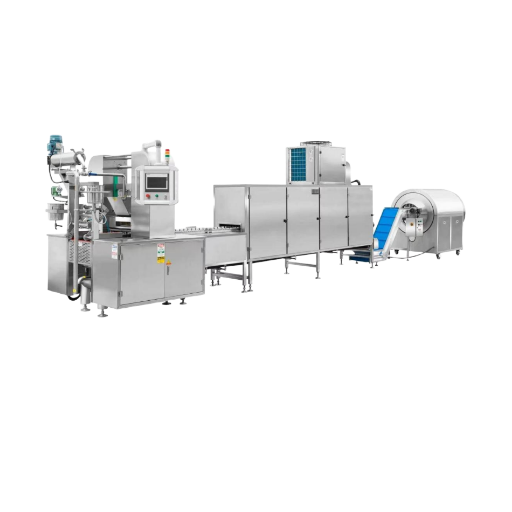
We configure the Candy Depositing Machine around the mass to be dosed, the candy piece to be formed and the cooling route needed to hold its geometry. Our systems can support solid, striped, layered, side-by-side and center filled products when the recipe and hardware are suitable.
- Servo recipe control
- Head and manifold scoping
- Mould and cooling coordination
- FAT criteria defined by SKU
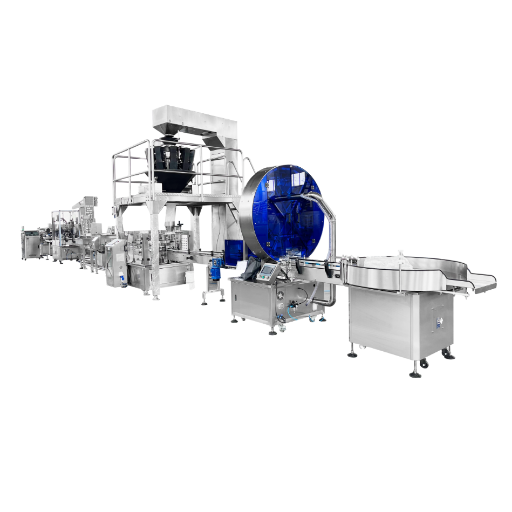
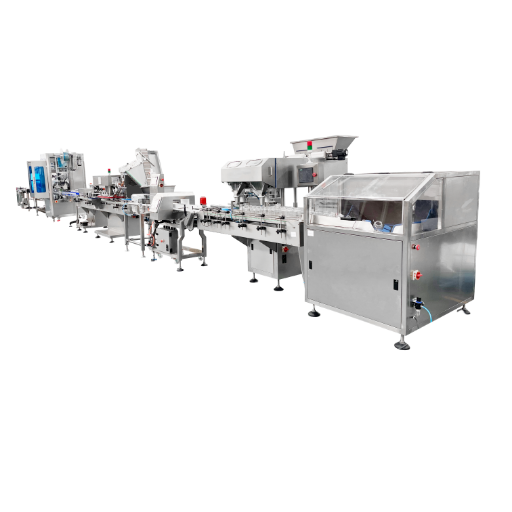
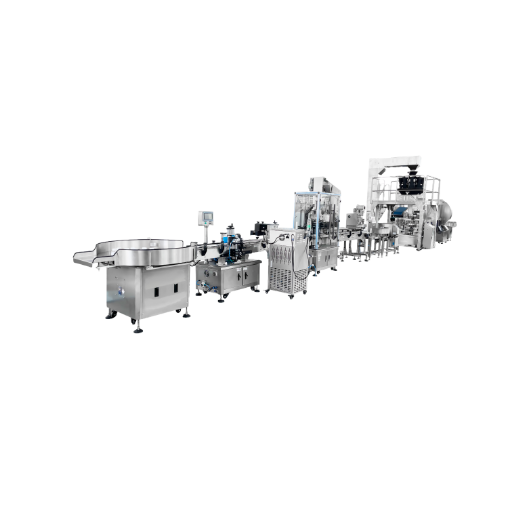
Solid to centre-filled
We match the feed path, manifold and nozzles to the specified product architecture.
Servo recipes
We configure stroke, speed and timing recipes for the selected depositor.
Hard candy, lollipop, toffee
We separate each family by mass behavior, mould route and cooling requirement.
SKU-specific FAT
We define the sample, method and rated test condition before results are judged.
A Candy Depositing Machine Scoped Around Your Product
We start with your confection rather than treating it as a generic product. The same candy depositor machine can behave differently as piece weight, viscosity, temperature, cavity pitch, colours, shell-to-core ratio or cooling conditions change; a gummy recipe may require a different product system.
We record the finished piece, target weight, shape, layers, colours, filling ratio and surface expectations.
During review, we check operating temperature, viscosity behavior, particles, crystallization risk and acceptable residence conditions.
We map cooker discharge, transfer, mould indexing, cooling, demoulding and the hand-off to downstream equipment.
Depositor Fit Input Card
REQUIREMENTS- Product photo, section drawing or existing sample
- Piece weight and acceptable written tolerance
- Recipe and operating temperature or viscosity data
- Single colour, stripe, layer or side-by-side format
- Centre type, ratio and shell-wall expectation
- Mould (mold) material, cavity count, pitch and indexing data
- Good pieces per hour rather than nominal kilograms alone
- Cleaning, allergen and changeover sequence
- Electrical supply, utilities and site limits
- Cooker, cooling and packing responsibility
Buyer Concerns We Put Into the Review
Seal and O-ring condition should be included in the weight variation and preventive maintenance analysis.
Buyers may over-invest in a machinery facility when the nominal output is compared with demand before SKU mix, utilization and good piece yield are considered.
The heated hopper and nozzle areas require a documented drain, clean, inspect, and restart sequence for the actual mass.
Servo Dosing for Repeatable Candy Geometry
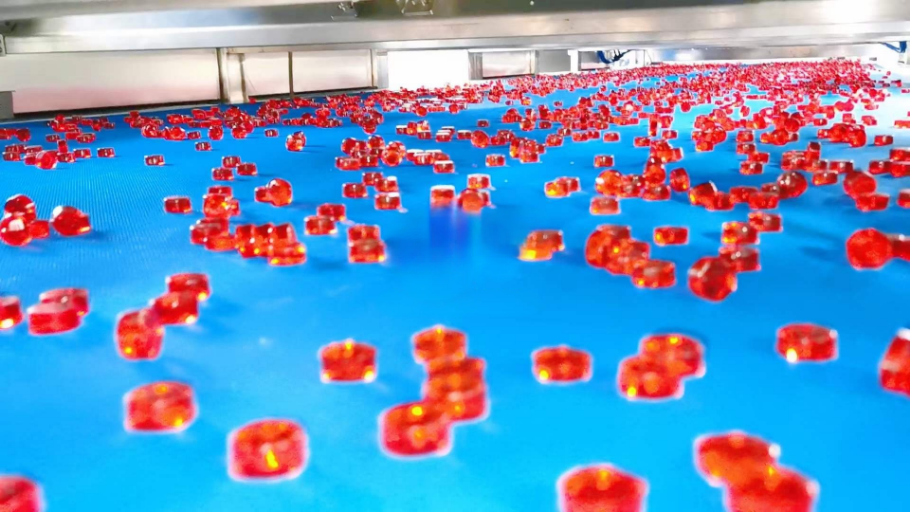
We configure servo-controlled depositors for hard candy, lollipops and toffee or fondant products. The recipe stores stroke, speed and timing settings, while the physical result still depends on the mass condition, the dosing path and the mould or product geometry.
Condition
Temperature, viscosity, hopper level and residence behavior
Meter
Piston condition, stroke, speed and valve timing
Distribute
Manifold balance, feed path and pressure behavior
Cut off
Nozzle temperature, alignment and suck-back setting
Set
Mould indexing, cooling rate and release condition
Servo Dosing & Fill Geometry Matrix
| Control point | What we configure | What the buyer supplies | How we verify |
|---|---|---|---|
| Piece weight | Stroke, speed, timing and piston/nozzle combination | Target and acceptable band | Agreed sampling method at rated FAT condition |
| Cut-off and tailing | Nozzle temperature, valve timing and suck-back | Recipe temperature window and visual reject rule | Defined cavity observations and retained samples |
| Layer or stripe geometry | Feed balance, timing and relative deposit sequence | Section drawing, colours and allowable visual shift | Cut-section review under the agreed method |
| Centre position | Core/shell feeds, concentric nozzle arrangement and timing | Shell/core ratio, recipe behavior and wall target | Section sample plan and agreed pass/fail criteria |
| Cavity-to-cavity spread | Manifold, piston, seal and nozzle condition | Cavity map and statistical acceptance rule | Measurements linked to cavity position |
Design capability versus validated result.
Within the listed variables, we can design a suitable configuration, but we call a value validated only after the product, test method, sample size and operating condition are documented. Any universal accuracy claim would hide the very variables that the FAT needs to control.
Thermal and Rheology Gate
Known before design
We need operating temperature, viscosity behavior, particle content, crystallization concerns and the intended pause or restart sequence.
Validated during trials
We observe flow stability, tailing, blockage, piece geometry and cooling response under the agreed recipe condition.
Depositing Head Selection for Hard Candy, Lollipop and Toffee
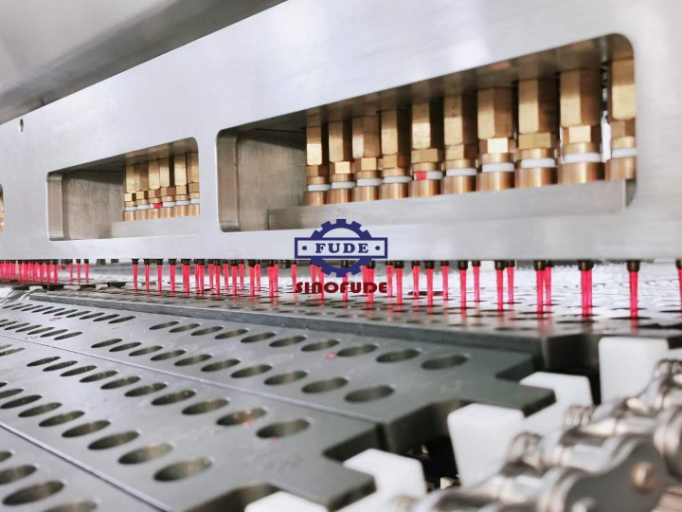
We match the head, hopper, pistons, manifold and nozzles to viscosity, piece geometry, colour count and centre-fill needs. That configuration decision matters more than calling every option a universal candy depositor.
Depositing Head Selection Map
Product route
Critical inputs
Configuration focus
Boundary to confirm
Solid hard candy
Mass temperature, piece weight, cavity pitch and cooling
Heated feed path, piston volume, nozzle cut-off and indexing
Actual good-piece rate under the buyer's recipe
Deposited lollipop
Piece geometry, stick placement, mould layout and set condition
Deposit-to-mould timing and lollipop handling interface
Stick and product handling scope
Toffee or fondant
Viscosity, inclusions, temperature stability and clean-down behavior
Feed passage, piston/nozzle sizing and temperature control
Product-dependent speed and cleaning sequence
Striped, layered or side-by-side
Colour count, relative flow, section geometry and sequence
Dedicated feeds, manifold distribution and recipe timing
Visual acceptance and colour-change method
Liquid or soft centre
Shell/core rheology, density, ratio, nozzle geometry and cooling
Separate feeds, concentric delivery and coordinated timing
Recipe trial and cut-section acceptance
Candy Formats, Model References and Output Planning
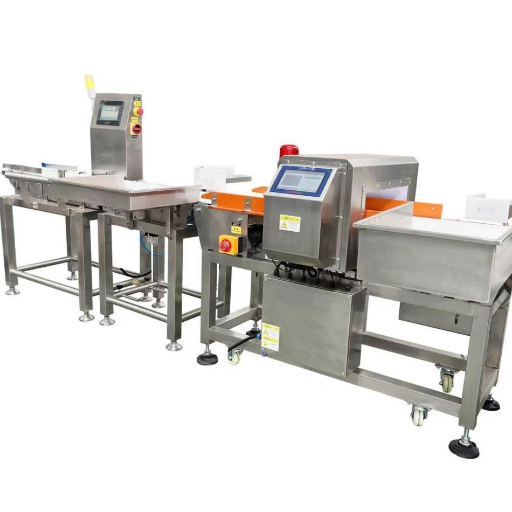
We use catalogue ranges to help determine shortlisted options, not to promise saleable output. Actual output must be recalculated from piece weight, cavities per cycle, filling or depositing rate, recipe and cooling time. 4
| Product reference | Supplied catalogue value | Required qualification |
|---|---|---|
| CGD150S to CGD1200S deposited hard candy | 150 to 1,200 kg/h | Recalculate for piece weight, cavities, recipe and cooling |
| CGD150S to CGD1200S depositing rate | 55 to 60 strokes/min | Confirm at the specified product and FAT condition |
| CYTB150 to CYTB600 deposited lollipop | 150 to 600 kg/h | Confirm product geometry, stick handling and cooling |
| CYTB150 to CYTB600 depositing rate | 25 to 35 strokes/min | Confirm with mould indexing and product handling |
| CTFT150 to CTFT600 toffee or fondant | 150 to 600 kg/h | Speed remains product- and configuration-dependent |
| CHX or pilot references | Approximately 10 to 50 kg/h | Confirm the exact model, recipe and trial purpose |
Hidden Depositor Bottleneck Map
Nominal rate
We begin with cavities per cycle and mechanical depositing rate.
Recipe constraint
We reduce the planning rate when stable temperature, viscosity or cut-off cannot be held.
Cooling constraint
We check whether the product can set, release and transfer before the next mould demand.
Quality constraint
We count accepted pieces rather than treating every deposit as conforming product.
Changeover constraint
We include cleaning, parts exchange, warm-up and first-piece approval in the production plan.
Line constraint
We compare cooker, depositor, cooling and downstream hand-off so the slowest qualified stage is visible.
SINOFUDE engineering note: The largest nominal capacity is not automatically the best fit; these configurations are not interchangeable. Selecting by the biggest number is the wrong answer, and a bare kg/h value does nothing for acceptance planning. The wrong choice costs you diagnostic time after start-up, so we size from the slowest accepted stage.
Good pieces/hour = cavities/cycle × qualified cycles/hour × first-pass yield
Buyer-entered worksheet only: no SINOFUDE yield, uptime, payback or cost-saving value is implied.
Buyer-Input Economics Worksheet
| Input | Buyer value | Decision use |
|---|---|---|
| Good pieces per scheduled hour | Enter measured or target value | Separates rated motion from accepted product |
| Scheduled hours and SKU mix | Enter production calendar | Exposes utilization and changeover burden |
| Scrap and rework basis | Enter current measured cost | Prevents assumed yield savings |
| Cleaning and changeover labor | Enter current task time and people | Shows the cost of SKU complexity |
| Utilities and maintenance | Enter site rates and maintenance basis | Keeps operating costs site-specific |
| Quoted capital and scope | Use the final written quotation | Avoids comparing different responsibility boundaries |
FAT and Measurement Planning by SKU
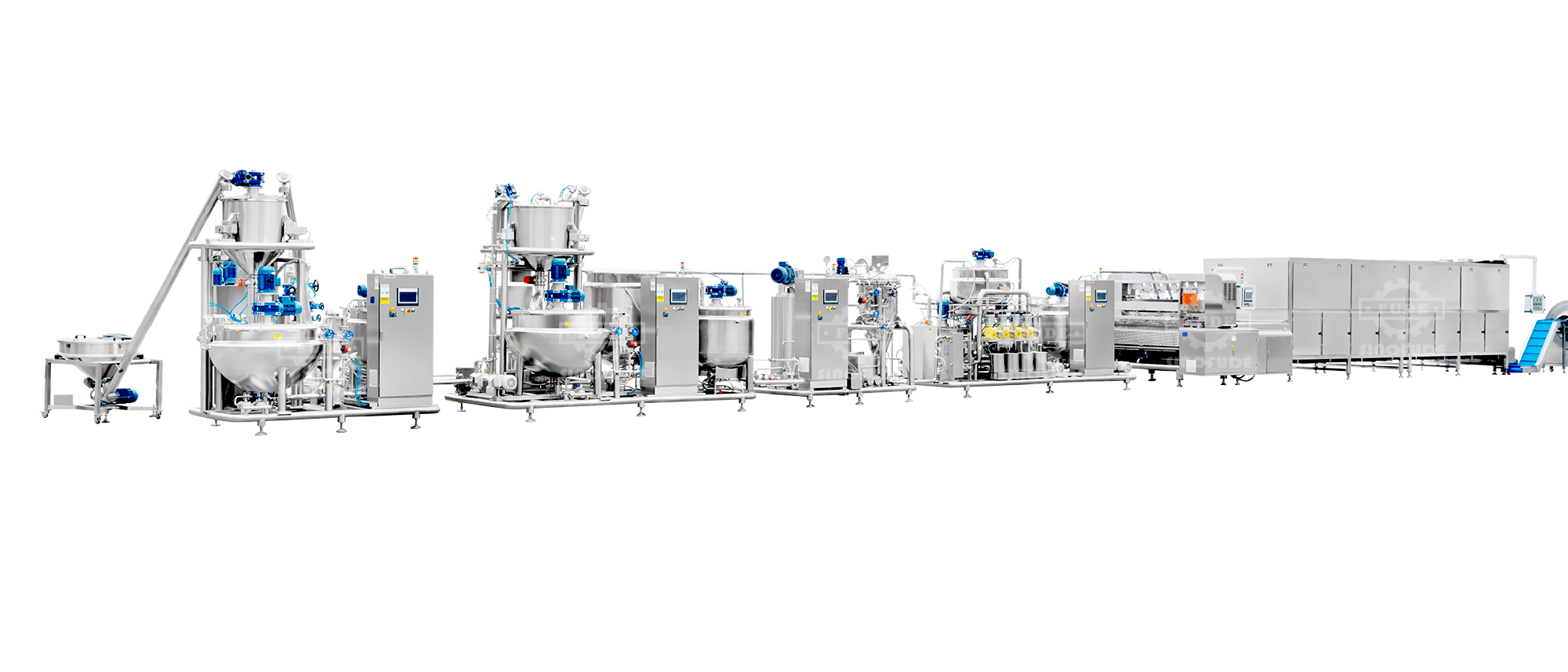
We establish the product, test condition and measurement method before a performance value is accepted. Factory acceptance, line integration, and site acceptance remain separate, so a factory result is not presented as evidence of site performance.
Specify
Recipe, geometry, weight, colour and fill architecture
Condition
Temperature, viscosity method, hopper level and cooling state
Measure
Sample size, cavity map, instrument and uncertainty statement
Judge
Written tolerance, reject rule and rated test condition
Record
Recipe, observations, results, deviations and disposition
Capability and Validation Status
| Item | We can design for | Validated result requires |
|---|---|---|
| Piece weight | Servo stroke, speed, timing and dosing hardware | Defined sample, instrument, uncertainty and tolerance |
| Centre position | Separate shell/core feeds and coordinated nozzle timing | Cut-section method, sample map and acceptance limit |
| Tailing or leakage | Nozzle temperature, cut-off, suck-back and timing adjustments | Recipe condition and written visual reject definition |
| Output | Model, cavities and line-rate planning | Good-piece count under defined recipe and cooling conditions |
| Changeover | Recipe recall and specified mechanical change parts | Agreed start/end points, cleaning method and restart acceptance |
A measurement gap becomes an acceptance risk because an instrument display alone does not quantify uncertainty. Our engineers build acceptance criteria around NIST measurement guidance, project-specific sample mapping and IEC 62381:2024 stage separation.
Our weight-variation review covers hopper level, temperature, air entrainment, seals, servo position and nozzle alignment. For tailing, we inspect viscosity, nozzle temperature, cut-off or suck-back, valve calibration and timing instead of masking the issue with an unsupported universal tolerance.
SKU Changeover, Cleaning and Maintenance
We define changeover based on the SKU variance. A recipe-only change, a change of mould, a pitch change, and a move from solid to centre-fill do not involve the same parts, cleaning, or startup.
Change
Likely work
Parts or settings to confirm
Restart evidence
Recipe or flavour only
Drain, purge, clean, load recipe and verify
Cleaning sequence and recipe record
First accepted samples
Similar shape and weight
Mould exchange plus parameter change
Mould fit and whether the head remains compatible
Weight and visual checks
Large size or pitch change
Mould and distribution-path review
Nozzles, manifold, pistons, indexing and cooling
Cavity map and transfer check
Single colour to multi-colour
Add or isolate feed paths and load timing recipe
Hoppers, manifold, nozzles and colour-change cleaning
Section and colour-boundary samples
Solid to centre-fill
Dedicated shell/core feeds and coordinated dosing
Manifold, concentric nozzles, controls and cooling
Cut-section and leakage checks
Design review
- Food-contact material declarations
- Accessible joints, seams and removable parts
- Drain and residue hold-up review
- Cleaning access around hopper, manifold and nozzles
Plant validation
- Product- and allergen-specific cleaning procedure
- Defined inspection or residue test
- Safe isolation before access
- Documented restart and release decision
Line Integration and Project Responsibility
We separate the depositor from the surrounding candy production line so that each interface has an owner. The final scope can include or exclude cooker discharge, transfer, molds, cooling, demolding, conveying and the packing hand-off, but those decisions belong in the written project documents.
Included, Optional and Buyer-Supplied Scope Card
| Interface | SINOFUDE scope to confirm | Buyer or site input | Acceptance hand-off |
|---|---|---|---|
| Recipe feed | Hopper, feed path, temperature control and connection | Recipe condition and cooker discharge data | Stable mass at agreed interface |
| Mould transport | Mould, indexing and depositor synchronization | Product drawing and cavity requirement | Position, deposit and release checks |
| Cooling | Cooling section and transfer interface if included | Ambient, utilities and finished-product condition | Product state at outlet |
| Controls | HMI recipes and signals within quoted boundary | Plant standard, upstream/downstream signals and data needs | Cause-and-effect and interface test |
| Guarding | Point-of-operation guards and specified interlocks for supplied equipment | Site risk assessment and surrounding access | Guard/interlock checks for final configuration |
| Energy isolation | Isolation points and documentation within supplied boundary | Plant lockout program and authorized procedures | Documented isolation review before service |
COMPLIANCE NOTE: We configure guarding and isolation for the specified system. We validate the agreed functions based on the project documents. Generic OSHA requirements do not become our evidence for a given interlock, safety relay or site lockout.
SCOPE
Product, line and responsibility agreement
DESIGN
Drawings, interfaces and control review
BUILD
Manufacture against the approved basis
FAT
Factory test against project acceptance criteria
SAT
Separate site checks after installation and utilities
SINOFUDE Manufacturing Context
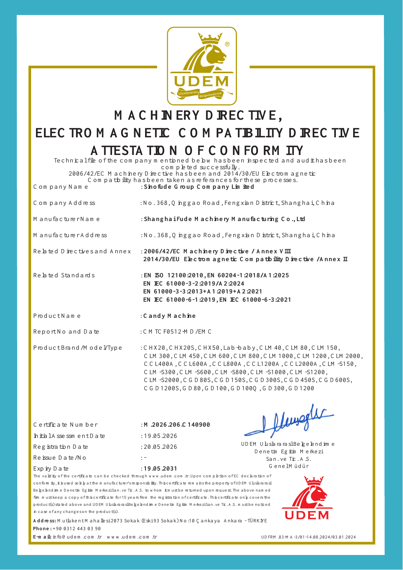
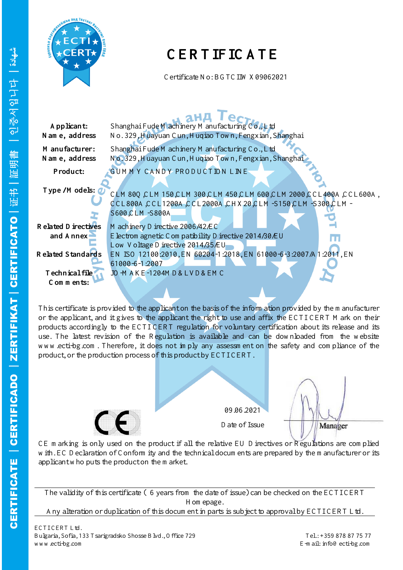
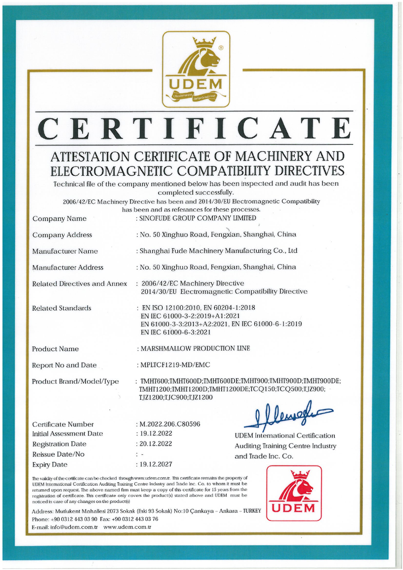
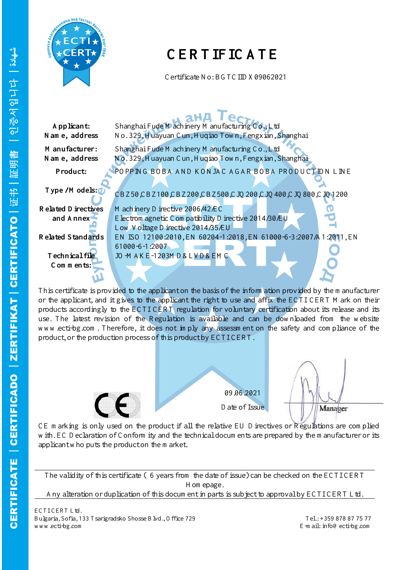
Our SINOFUDE brand was founded in 1998 in Fengxian District, Shanghai. We now operate three factories with a total area of more than 30 acres and more than 200 employees across Confectionery, Baking and Chocolate equipment divisions.
Management
We introduced the ISO 9001 management system in 2004; we do not turn that company-level fact into a model-specific certification claim.
Product development
Our company reports 38 product patents, while each page claim remains tied to the supplied product information.
Fabrication
We use high-power laser cutting and laser welding together with CNC machining centers and CNC gantry milling in our confectionery machinery manufacturing system.
Procurement Risks to Close Before the Purchase Order
We use a 90-day risk checklist as a guide. The list is not a commitment to performance. Our purpose is to show gaps in product, test, sanitation, safety and interface information while they can still be addressed in the final contract.
- Freeze the reference SKU and approved recipe revision
- Record piece weight, geometry and visual reject rules
- Map cavity count, pitch and mould ownership
- Define shell/core ratio and cut-section method
- Agree recipe temperature and viscosity method
- List particles, crystallization and blockage risks
- Separate rated output from good-piece output
- Set sample size, cavity map and measurement uncertainty
- Document cleaning and allergen changeover validation
- Confirm removable parts and safe maintenance access
- Review guards, interlocks and energy isolation
- Allocate cooker, cooling, utilities and packing interfaces
- Separate FAT, integration test and SAT responsibilities
- Attach drawings and accepted revisions to the quotation
| Situation | Why it works against the project | Better next step |
|---|---|---|
| Only a target kg/h is available | Piece, recipe, cavities, quality and cooling remain unknown | Complete the product and output worksheet first |
| The recipe has not been characterized | Head, temperature and cleaning choices are premature | Provide samples and operating-condition data for review |
| The process is die-formed rather than deposited | A depositor may solve the wrong forming problem | Review the parent hard candy machine route |
| Site responsibility is not allocated | Utilities, guards, cooling or hand-offs can fall between quotations | Complete the responsibility map before price comparison |
Candy Depositor Engineering Tools
Candy Depositing Machine FAQs
01 How do you select a depositing head for my candy mass?
During review, we check operating temperature, viscosity behavior, particles, deposit volume, cavity pitch, colours and fill architecture. Next, we match the hopper, pistons, manifold and nozzles and identify which conditions still need a recipe trial.
02 Can one depositor make solid, striped and centre-filled candy?
Only when the heating, feed paths, head, mould and cooling route suit all products do we use a shared platform. Moving from solid to centre-fill normally requires dedicated feeds, a suitable manifold and nozzles, coordinated controls and a separate acceptance plan. 9
03 What causes tailing at the nozzle?
We check mass viscosity, nozzle temperature, valve condition, timing and cut-off or suck-back settings. The written trial plan should define what counts as an unacceptable tail so adjustments are judged consistently.
04 What causes cavity-to-cavity weight variation?
Our review covers hopper level, temperature stability, entrained air, seals, piston or servo settings, manifold balance and nozzle alignment. The FAT should map results to cavity position rather than averaging away a distribution problem.
05 How is output calculated for the selected model?
For output planning, we start with piece weight, cavities per cycle and the qualified depositing rate, then apply recipe, cooling and good-piece constraints. The supplied catalogue references span approximately 10 to 1,200 kg/h across different families, but we recalculate the project value rather than combining those families.
06 Can you state a universal depositing accuracy?
No single number is meaningful without the candy weight, viscosity, temperature stability, piston and nozzle condition, hopper level, speed, sampling method and instrument uncertainty. We set the target, tolerance and measurement plan for the specified SKU.
07 Which parts may change between SKUs?
When size, pitch, colours, fill architecture or deposit volume changes, we review the mould, nozzles, manifold, pistons, distribution path, indexing and cooling. A recipe-only change can be simpler, but we confirm head compatibility before leaving mechanical parts unchanged.
08 Is a centre filled candy machine a nozzle-only upgrade?
No. Shell/core viscosity and density behavior, temperature, ratio, concentric delivery, timing, geometry and cooling belong to one system in our review, and we validate the result with cut sections and leakage criteria.
09 Can the depositor be supplied as CIP-ready?
For a CIP-ready configuration, our review must identify the circuits, removable parts, cleaning sequence and verification method included in the quoted boundary. Product and allergen validation remains tied to the buyer's sanitation program and actual recipe.
10 What should I send for a formal review?
Send product photos or drawings, piece weight and target output, recipe temperature or viscosity data, colours or layers, centre ratio, mould details, electrical supply, utilities and the required cooker, cooling and packing scope. We use that package to prepare a configuration and responsibility review.



