
Get in Touch with SINOFUDE Company

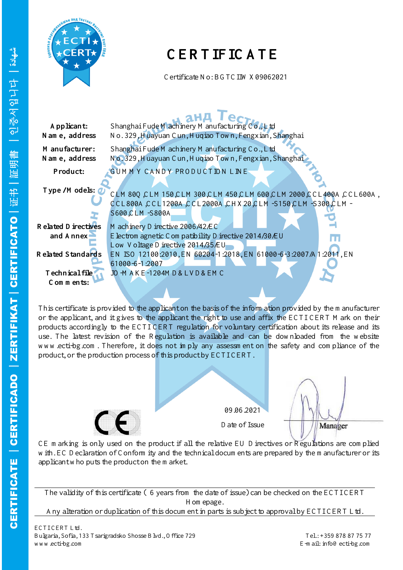
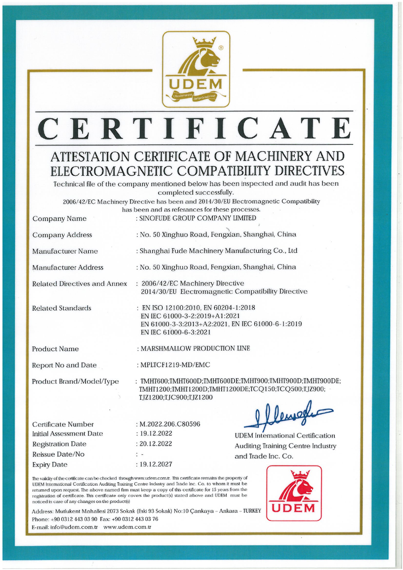
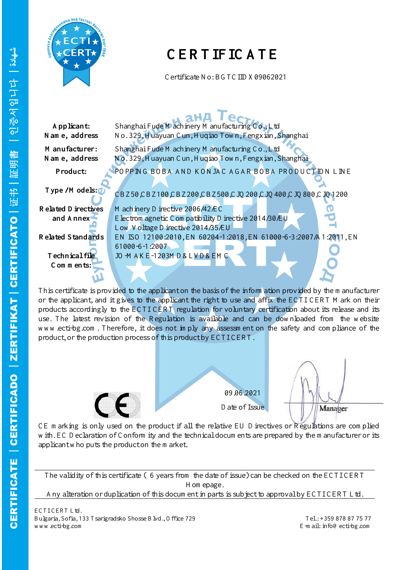
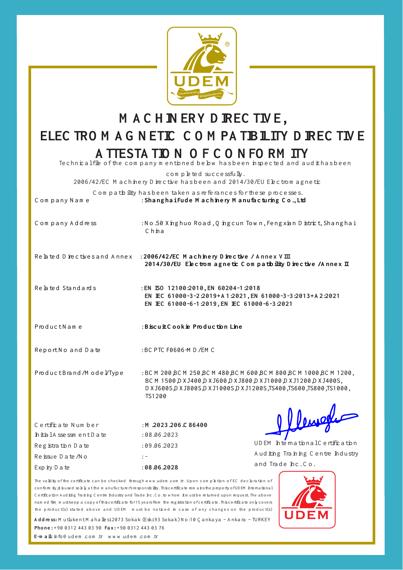
ISO Certified
Cupcake & Swiss Roll Line
Cupcake Production Line and Swiss Roll Production Line Engineering
First, plan the route for the product. Then, for each module, define the utilities, cleaning protocols, and acceptance evidence. SINOFUDE reviews the production routes for cupcakes, muffins, layer cakes and Swiss rolls differently before agreeing to use the same machine.
- Route-specific line planning
- Engineer-reviewed RFQ
- FAT/SAT support
Get a Product-Route Review
→
Bring your recipe, product dimensions, target pieces per hour, plant layout, utilities and packaging interface.
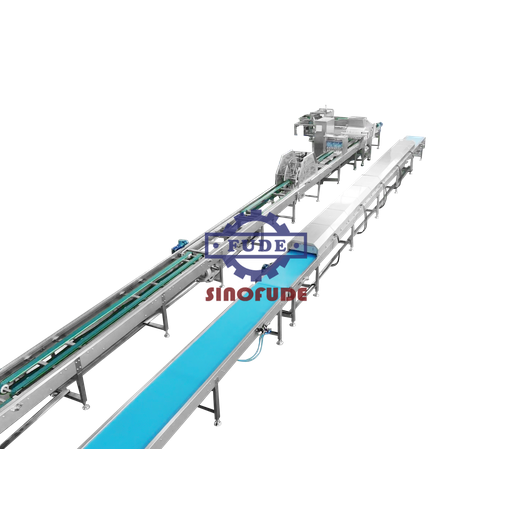
PRODUCTION ROUTES
Product-Specific Cake Production Line Routes
Cupcake and Swiss roll production lines require different handling solutions because treating them as interchangeable creates a handling risk. The design is finalized only after taking into account the finished product, the behavior of the recipe, and the constraints of the plant.
Cupcake and muffin route
Candidate stages include paper cup or baking tray loading, batter depositing, baking, cooling, filling, decorating or icing, and a packaging interface.
Swiss roll route
A roll cake route can include depositing, sheet baking, controlled release, cooling, cream filling, rolling, cutting and transfer to packaging.
Layer cake route
A layer cake production line can be mapped around depositing, baking, cooling, filling, layer assembly, cutting and decoration requirements.
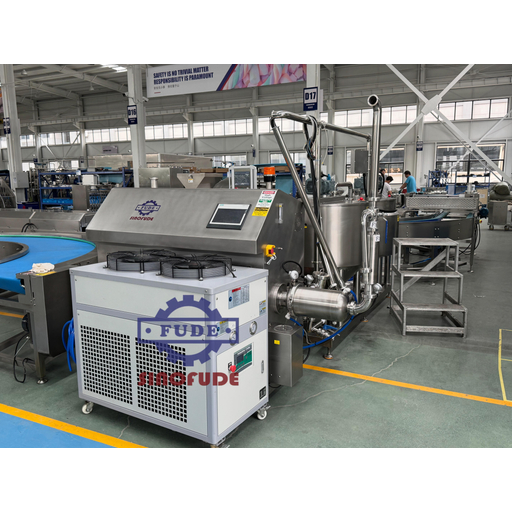
Filling, Rolling, Cutting and Decorating Routes
The final product’s appearance results from a sequence of operations, not from one isolated cupcake machine. Depositing, baking, cooling, filling, and post-bake handling all influence the following module.
| Finish target | Route decision | Buyer evidence to supply |
|---|---|---|
| Plain cupcake or muffin | Define cup loading, batter deposit, baking, cooling and packaging transfer. | Sample, cup or tray drawing, weight target and package orientation. |
| Filled cupcake | Decide whether filling occurs before or after baking and how cleaning will be accepted. | Filling sample, dose target, product section and allergen plan. |
| Decorated cupcake | Define the icing step or how to decorate the product, along with product spacing and handling into the package. | Decoration reference, topping behavior and package clearance. |
| Swiss roll | Define sheet release, cooling window, filling, rolling and cutting sequence. | Sheet and finished-roll sample, filling behavior and cut presentation. |
| Layer cake | Define layer handling, filling, alignment, cutting and decoration. | Layer count, product drawing and finished-pack format. |
Cracking, uneven filling and product deformation can become reject risk when the route is frozen before sample review. A shared oven is not always the right call, so send your specific product and finish targets for a test-focused engineering discussion.
Product Route × Module × Acceptance Evidence Matrix
Use this matrix to convert a general inquiry for bakery equipment into a definite equipment requirement. Numerical performance values will be specified in the quotation and acceptance criteria will be defined after samples and inputs from the buyer are provided.
| Item | Route or module | Input required before configuration | Acceptance evidence to define |
|---|---|---|---|
| 01 | Product scope | Cupcake, muffin, Swiss roll, sponge cake or layer cake samples. | Approved reference product and written route boundary. |
| 02 | Output requirement | Pieces/hour, weight per piece and operating hours supplied by the buyer. | Agreed trial duration, counting method and report format. |
| 03 | Batter depositing | Recipe, density behavior, deposit pattern and tray or belt format. | Sample-based deposit and presentation checks. |
| 04 | Baking and oven | Product profile, heat source, exhaust and plant utility data. | Approved product sample and recorded test conditions. |
| 05 | Cooling and release | Product handling limits and downstream timing. | Transfer, release and surface-condition observations. |
| Item | Route or module | Input required before configuration | Acceptance evidence to define |
|---|---|---|---|
| 06 | Filling and icing | Filling sample, temperature behavior, allergen status and cleaning method. | Product section, cleaning demonstration and changeover record. |
| 07 | Rolling and cutting | Sheet, filling, roll and cut presentation targets. | Approved visual sample and recorded open items. |
| 08 | Conveyor interfaces | Line elevation, spacing, orientation and adjacent-machine details. | Interface drawing and transfer demonstration. |
| 09 | Controls and safety | Destination, plant rules, guarding, interlock and emergency-stop requirements. | Signed checklist, function demonstration and action list. |
| 10 | Packaging handoff | Package type, infeed height, product orientation and communication signals. | Interface test and agreed responsibility boundary. |
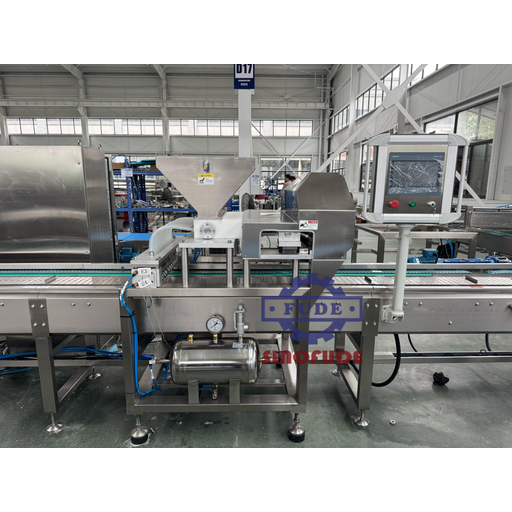
Pricing, Production Schedule and Order Terms
Line price is based on the selected route, product contact, controls, heat source, plant interfaces, tests, and documentation. A detailed engineering brief forms the basis for a useful quotation, rather than a list of general equipment.
Quote Response
We return an engineer-reviewed quote within 24 business hours.
Production Schedule
Production is scheduled at 4 months.
Order Quantity
The minimum order is 1 set.
Payment
Payment is T/T, 30% deposit and 70% before shipment.
Acceptance, Hygiene and Machine-Safety Planning
The product and acceptance method determine the quality-control plan. The scope of the inspections, demonstrations, records, and closure actions required before shipment and after installation should be defined by the buyer and engineering team.
Hygienic review
Cleanability and inspection access are equipment-design questions, not housekeeping notes. Product-contact areas, drainage and allergen changeover belong in the FAT checklist so the agreed areas are easy to clean.
Machine-safety review
Guarding, emergency stopping, and oven safety devices belong in the acceptance basis. Interlocks and moving-part safeguards should be mapped to the destination and plant requirements.
Evidence package
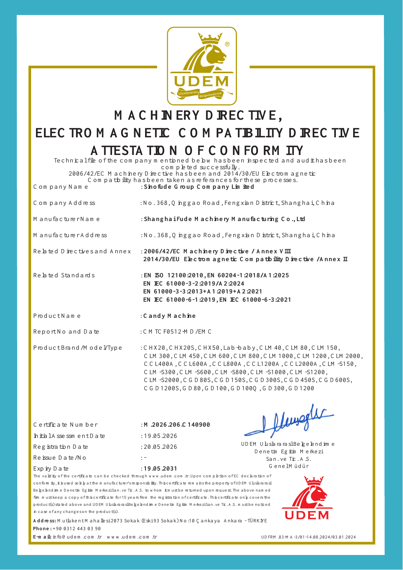
We complete pre-shipment testing and report generation.
Acceptance support
We provide FAT/SAT support. The signed project matrix should name each check, the responsible party, the evidence format and the method for closing open items.
ENLARGE
ENLARGE
ENLARGE
ENLARGE
ENLARGE
SINOFUDE
SINOFUDE Equipment and Product Views
The Cupcake & Swiss Roll Line sits within SINOFUDE's Baking Division. SINOFUDE was established in 1998 and operates from Fengxian District, Shanghai.
01
/ 04
Best-Fit Projects and Alternative Starting Routes
Automation should follow a finalized product briefing and an acceptance plan. It is better to take a different starting route when some critical product or factory inputs remain unfinalized.
Start with trials
Use product trials before freezing equipment when the recipe, deposit behavior, rolling behavior or package format is still changing.
Keep routes separate
Use separate cupcake and Swiss-roll routes when shared modules would create cleaning, handling, throughput or changeover conflicts.
Close plant inputs first
Confirm footprint, utilities, exhaust, access and the packaging handoff before approving a full cake production line layout.
Cupcake & Swiss Roll Line Engineering Tools
Production Output Requirement Calculator
Translate your sales target into a neutral engineering brief. This calculator does not claim a SINOFUDE line capacity; it only calculates the requirement from your inputs.
Access CalculatorProduct Route Brief Builder
Build a first-pass module sequence for an engineering discussion. It separates cupcake and Swiss-roll routes instead of assuming one fixed line can run both.
Build SequenceRFQ and FAT Readiness Checker
Mark the evidence your team can supply. The result identifies open inputs; it is not a performance score for any machine.
Check ReadinessCupcake and Swiss Roll Line FAQ
That assumption is not valid. Candidate modules are confirmed only after product, cleaning, capacity, and interface reviews are complete.
Please send the recipe or sample, product weight and dimensions, target pieces per hour, cup or tray format, filling and decoration plan, utilities, footprint, packaging interface, and project destination. A packaging outline makes the transfer boundary easier to define.
The route proceeds from depositing through baking, release, cooling, filling, rolling, cutting, and transfer to packaging. Product samples establish the basis for the acceptance discussion.
Filling and icing can be assessed as route modules. The RFQ should specify the material, location of application, cleaning task, allergen requirement and final appearance.
Start with the target pieces per hour, the finished weight per piece and the operating hours. SINOFUDE reviews product behavior, module cycle time, planned stoppages, cleaning work, upstream supply and the packaging handoff before a line capacity is stated in the quotation.
The FAT plan should state product samples, route functions, safety checks, cleaning checks, observation reports, open items and ownership, and the method of acceptance.
Installation testing and SAT confirm the installed interfaces. Remote service and spare-parts planning support handover.
Compare the product route, the included modules, the responsibility boundary, test evidence, and the support provided, not just the equipment list.
Verify if the quoted route matches your recipe, plant, utilities, cleaning plan, destination and packaging interface.
Ask suppliers to use the same samples and RFQ matrix. A brief summary makes it easier for you to identify gaps and exclusions in the scope.



